

How we think
Decisions don’t fail in the room.
They fail at transfer.
Most organizations focus on making decisions.
We focus on whether they hold once execution begins.
Why Hire MPowr Teams
We've been accountable
on both sides
We've worked on both sides of the decision. In governance, shaping the call. In execution, carrying it across people, scope, cost, time, and safety.
We know how complete a decision can feel in the room and how quickly gaps show up once work begins. Those gaps don't stay contained. Execution absorbs them.
The gaps are visible from both sides. We address them before they cross the boundary.
The expertise is already
in the room
We don't bring outside answers. We shift how the room works so the decision is built, not selected.
Structured methods require people to put their thinking into a form that can be seen, challenged, and worked. Assumptions surface. Gaps show. Misalignment becomes explicit. The discussion moves from stating positions to working the problem.
What leaves the room is not a selected option. It is something the team did not walk in with and can execute without rework.
We change how the room thinks.
Beyond
the project
We look beyond the project in every decision. System-wide impact is brought into the room before the decision moves.
If it creates issues outside the project, we work them before it transfers. Neutral facilitation keeps the decision from being driven by one function. What will break gets said and worked.
The decision transfers as one direction. Teams execute without reinterpretation.
PMs stay
on execution
PMs manage execution. Decision facilitation is a different discipline. When decisions aren't fully worked, PMs end up finishing them during execution.
We take that on. We run the decision so it leaves clear and usable. The PM stays focused on delivery. We track what would change the current decision so it is revisited intentionally, not reopened in the work.
We run the decision process.
The PM runs the work.
Built for decisions
under pressure
Decisions move under pressure and with incomplete information. That is when teams commit on partial thinking.
We hold the line on what must be worked before commitment. We keep the discussion on the decision when time pressure pulls it toward resolution. We make sure what will break is surfaced before it is carried into execution.
The decision closes when the release condition is met.
Reopens are earned. Not inherited.
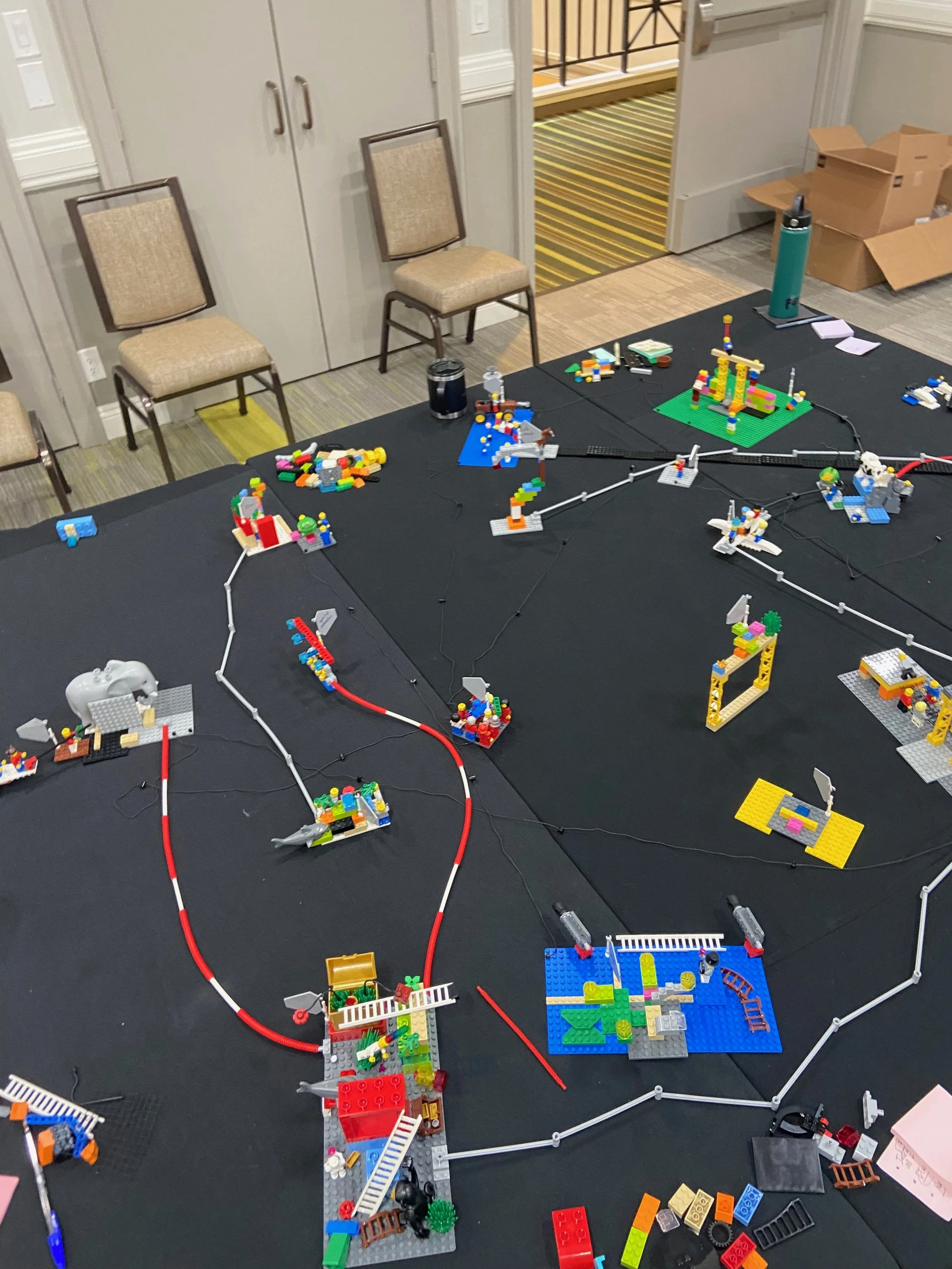
Rigor where it counts
Not all decisions require the same structure
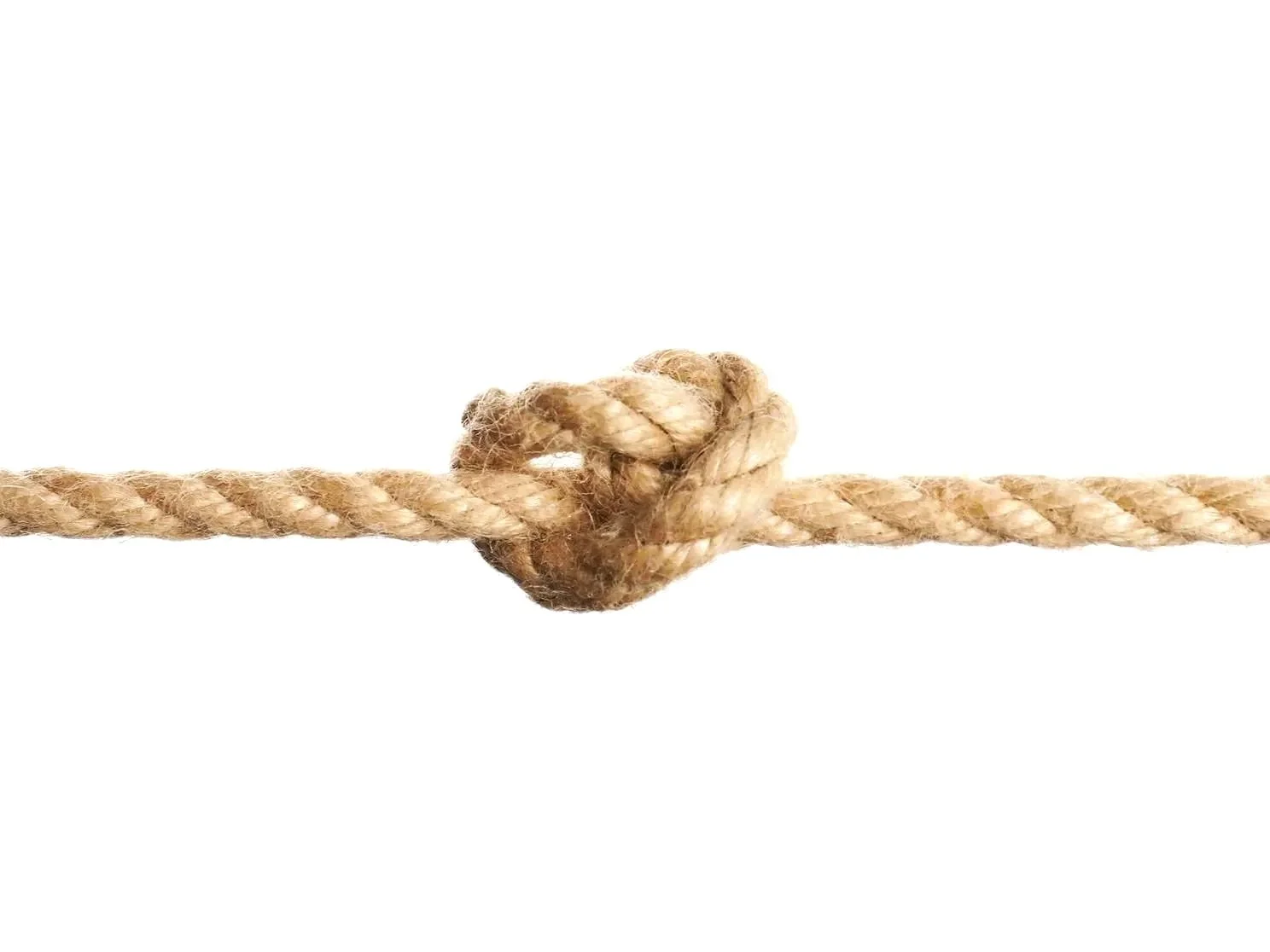
Low Stakes · Local · Short impact duration
Minimal structure is sufficient
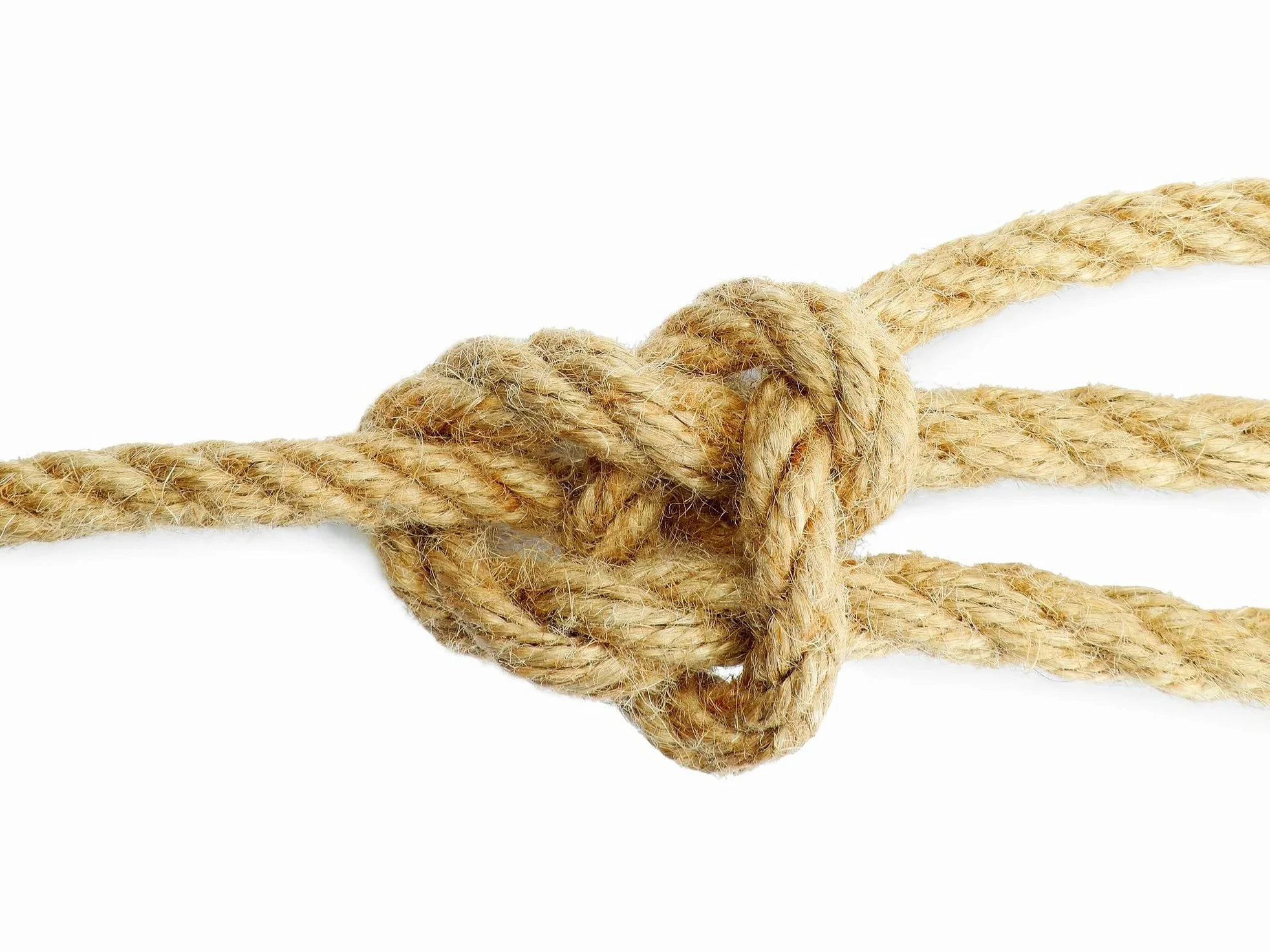
Complex · Systemic · Initiative-critical
Structure is calibrated accordingly
What Changes with
MPowr Teams
Every program builds contingency for the unknowable. Most of it gets spent on risks that were sitting in the room at the decision and never got worked.
With MPowr, those risks are resolved before execution begins. The contingency stays where it belongs.
The team inherits the same starting point.
Not their interpretation of what was decided. The actual conditions, tradeoffs, and boundaries the decision was built on.
Revisits are intentional.
What would legitimately reopen the decision is defined before execution begins. It is revisited when conditions warrant it, not because an unresolved concern surfaced in a hallway.
Eliminate Grey Rhinos.
Named, owned, and resolved at the decision. Not discovered after commitment has already moved.
It is the structure that prevents the work from multiplying downstream.
Work with us
Bring a decision or
a situation where direction is still forming.
We will make visible what is driving it, what is not yet connected, and what needs to be addressed before execution absorbs it.